
Oil filter maintenance tips and best practices
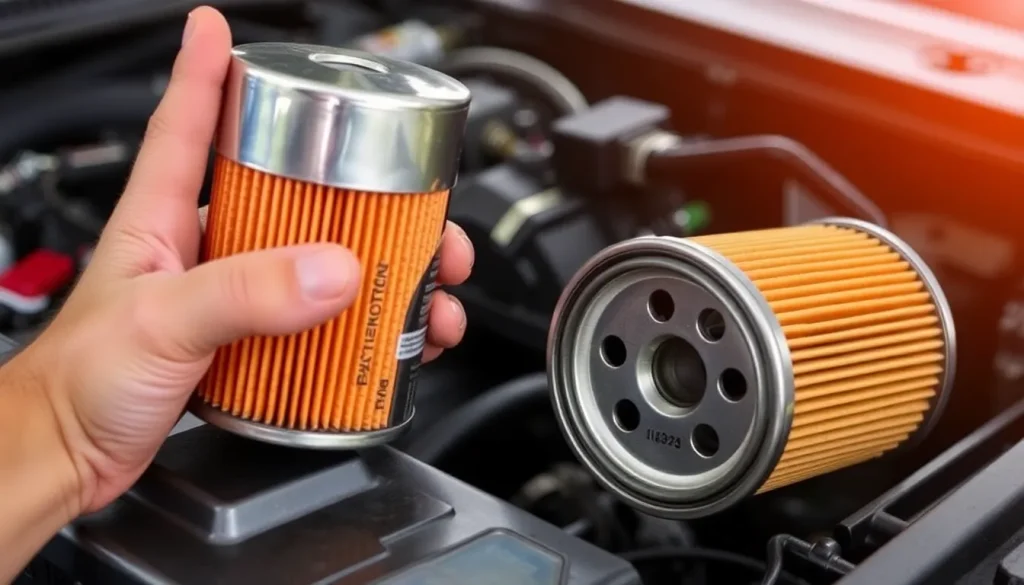
Maintaining your vehicle's oil filter is crucial for ensuring optimal engine performance and longevity. However, many car owners overlook essential practices during oil changes, which can lead to costly repairs and decreased efficiency. Understanding the do's and don'ts of oil filter maintenance can save you time and money in the long run.
In this guide, we will explore the best practices for oil filter maintenance, how often it should be done, and what it means when your vehicle signals maintenance for oil and filters. By the end, you'll have a clearer understanding of how to keep your engine running smoothly.
- What are the common mistakes to avoid when changing an oil filter?
- How frequently should you change your oil filter?
- What does it signify when your car indicates maintenance for oil and filter?
- Is it essential to change the oil filter with every oil change?
- Additional tips for effective oil filter maintenance
- Resources for further learning
What are the common mistakes to avoid when changing an oil filter?
Changing your oil filter may seem straightforward, but several common mistakes can undermine the effectiveness of your maintenance. Here are some key pitfalls to avoid:
- Using the wrong filter: Always ensure that you are using the correct oil filter for your specific vehicle make and model. Using an incompatible filter can lead to leaks or poor performance.
- Not pre-oiling the filter: Before installation, apply a bit of fresh oil to the rubber gasket of the new filter. This helps create a better seal and makes it easier to remove during the next change.
- Over-tightening the filter: While it's important to secure the filter, over-tightening can damage the gasket, leading to leaks. Follow the manufacturer's torque specifications.
- Neglecting the drain plug: Always check the drain plug and replace the gasket if it shows signs of wear. A bad seal can lead to oil leaks.
- Failing to dispose of old oil properly: Always use a designated recycling facility for oil disposal. Improper disposal not only harms the environment but can also lead to legal issues.
How frequently should you change your oil filter?
The frequency of oil filter changes can depend on several factors, including your vehicle's make and model, driving conditions, and oil type. As a general guideline, consider the following:
- Every oil change: Many experts recommend changing the oil filter every time you change the oil, especially with conventional oil.
- Every 5,000–7,500 miles: If you use synthetic oil, you may be able to extend the interval between changes, but it’s still wise to check the filter regularly.
- Under severe conditions: If you frequently drive in stop-and-go traffic, tow heavy loads, or drive in extreme temperatures, consider changing the filter more often.
Always refer to your vehicle's owner manual for specific recommendations based on your engine type and driving habits.
What does it signify when your car indicates maintenance for oil and filter?
Modern vehicles are equipped with onboard diagnostics that can notify drivers when maintenance is due, including oil and filter changes. This warning often appears as a message on the dashboard or as a light indicator. Here’s what it typically means:
- Oil quality check: The system monitors oil viscosity and quality, alerting you when it drops below acceptable levels.
- Filter performance: If the oil filter becomes clogged, it can restrict oil flow, prompting the maintenance alert.
- Engine wear: Regular monitoring helps in identifying potential engine issues that can arise from poor oil maintenance.
Ignoring these alerts can lead to severe engine damage, so it’s vital to respond promptly when you receive a maintenance notification.
Is it essential to change the oil filter with every oil change?
While some may consider skipping the oil filter change to save money, this practice can be detrimental in the long term. Here’s why you shouldn't skip this critical step:
- Prevent contaminants buildup: The oil filter traps dirt, metal particles, and other contaminants. Over time, a clogged filter can reduce oil flow, risking engine damage.
- Maintain oil quality: Fresh oil is only as good as the filter that cleans it. A new oil filter ensures the oil remains clean and effective.
- Warranty considerations: Many vehicle warranties require regular maintenance, including oil and filter changes, to remain valid. Skipping changes could void your warranty.
In general, changing the oil filter with every oil change is a prudent practice that contributes to the longevity and efficiency of your engine.
Additional tips for effective oil filter maintenance
In addition to the practices discussed, here are more tips to enhance your oil filter maintenance routine:
- Keep records: Maintain a log of oil changes, including dates, mileage, and types of oil and filters used. This will help track maintenance history.
- Inspect for leaks: After changing the oil and filter, check for any leaks around the filter and drain plug.
- Use quality products: Invest in high-quality oil and filters. They may be more expensive, but they provide better protection for your engine.
Resources for further learning
For those looking to dive deeper into oil filter maintenance and oil change practices, consider watching this informative video that highlights common mistakes and best practices:
Understanding the intricacies of oil filter maintenance is vital for every car owner. By avoiding common pitfalls and adhering to recommended practices, you can ensure your vehicle remains in peak condition for years to come.
 SAF-Holland launches on-demand electronic parts catalog
 Mohamed Elshenawy Joins Kodiak Robotics Board as Former Cruise CTO
 Phillips Names Peter Harker as New Chief Financial Officer
 Transportation and warehousing jobs increased in July despite losses
If you want to know other articles similar to Oil filter maintenance tips and best practices you can visit the category BLOG.
Leave a Reply
RELATED POSTS