
How Autonomous Trucks Will Transform Fleet Operations
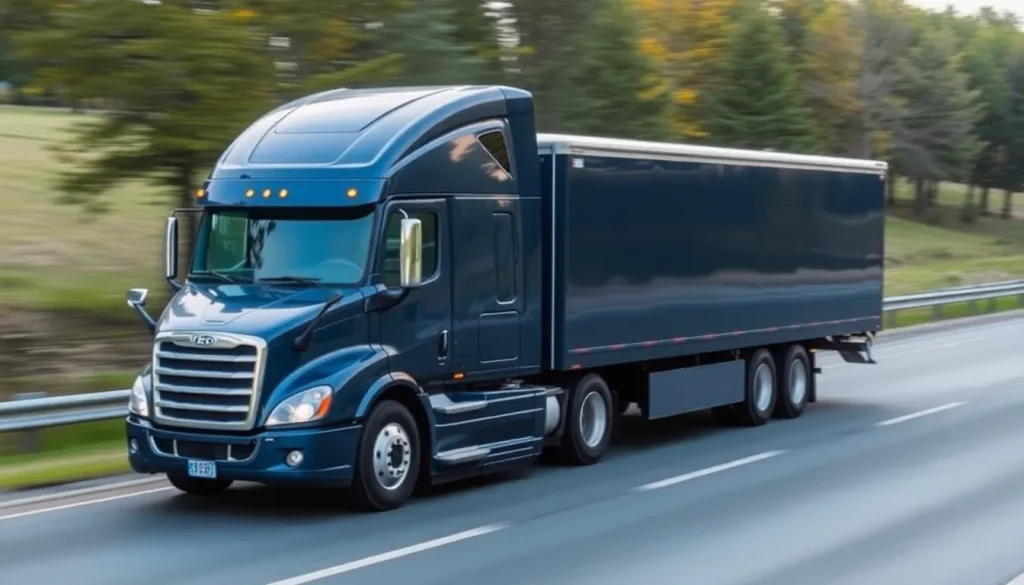
The impending arrival of autonomous trucks promises to revolutionize the logistics and transportation sector in ways that many may not fully anticipate. As technology evolves, the transition from traditional trucking to this innovative mode of transport will not be as straightforward as simply swapping out human drivers for machines. Understanding the multifaceted ecosystem that supports autonomous trucking is crucial for grasping how it will reshape the industry.
While advancements in Level 4 autonomous technologies are being achieved, the operational landscape is much more complex than merely getting a truck from point A to point B. How these trucks will start, navigate, and complete their routes involves a series of interconnected elements that must work in harmony. Nils Jaeger, head of Volvo Autonomous Solutions, emphasizes the need for a comprehensive transformation in fleet operations to accommodate this shift.
The autonomous truck ecosystem
The new landscape of autonomous trucking hinges on several critical components, one of which is the role of terminals. These facilities are not just simple stops; they are strategic hubs essential for the efficiency and effectiveness of autonomous fleets.
According to Jaeger, “Terminals need to be strategically located near highways to simplify the operational environment.” This positioning reduces the technological demands placed on autonomous trucks, thereby facilitating faster adoption of the technology.
Furthermore, the operational requirements for maintaining uptime are vastly different for autonomous trucks. Manual pre-trip inspections, traditionally performed by drivers, will now necessitate certified personnel to ensure compliance and safety. This shift opens up new job opportunities, including roles focused on:
- Pre-trip inspection and maintenance
- Virtual fleet management
- Logistics coordination
- Terminal operations
As the industry evolves, existing roles such as dispatchers will continue to be vital, demonstrating that while the technology may shift, the need for human oversight and management remains integral to operations.
Cost, coverage, and capability
Volvo Trucks, in collaboration with Aurora, has already begun testing autonomous trucks in Texas, equipped with safety drivers who only intervene in emergencies. The ultimate goal is to eliminate the need for these drivers entirely, which Jaeger argues is the tipping point for making this technology economically viable.
“Drivers typically account for about 40% of trucking operating costs,” he explains. By removing this expense, the full financial potential of autonomous trucking could be realized, particularly for long-haul routes.
However, Jaeger is careful to clarify that this does not mean an outright replacement of truck drivers. Instead, he envisions a coexisting model where autonomous trucks can enhance traditional fleet operations. With the ability to run continuously without the need for rest breaks, these vehicles can significantly increase delivery speed and fuel efficiency.
The implications are clear: as distances grow, so too do the advantages of autonomous technology. This new model will require a shift in focus from individual trucks to a system that centralizes operations around:
- Terminal-to-terminal freight flow
- Automated logistics solutions
- Efficient load consolidation
This shift marks the beginning of a completely redefined transportation system, especially beneficial for high-volume shipping lanes.
Even safer trucks
Safety remains a fundamental principle in the development of autonomous trucks. Jaeger asserts, “Safety is what the Volvo brand is known for, and we take that extremely seriously.” To this end, the Autonomous VNL, Volvo's flagship model, is designed with multiple redundancies in critical systems, including:
- Braking
- Steering
- Power supply
- Communication systems
- Lighting
Moreover, a failback system is in place for the autonomous driving system, ensuring that if any component fails, the truck can still operate safely. Jaeger emphasizes that no autonomous truck should be less safe than a human-operated vehicle, aiming to exceed current safety standards.
As the technology matures, ongoing discussions about safety standards are crucial. The Volvo Group plays an essential role in defining what these standards should be, ensuring that autonomous trucks not only match but surpass existing safety protocols.
For those eager to dive deeper into the world of autonomous trucks, check out this insightful video that explores the future of fleet operations:
Challenges in producing autonomous truck fleets
While the prospect of autonomous trucks is exciting, it does not come without significant challenges. One of the largest hurdles is the need for comprehensive infrastructure changes that accommodate these new vehicles.
Essential considerations include:
- Construction of specialized terminals
- Upgrading highways to support autonomous navigation
- Implementing new regulatory frameworks
- Training personnel for new operational roles
Moreover, the technology itself must be rigorously tested under various conditions to ensure reliability and safety before widespread deployment can occur.
Concerns from truck drivers
As the industry progresses towards autonomy, concerns from existing truck drivers remain prevalent. Many fear job loss and the impact on their livelihoods, leading to a need for dialogue between technology developers and the workforce.
Key concerns include:
- Job displacement and economic stability
- Training for new roles in a changing industry
- Regulatory protections for workers
Addressing these issues will be crucial for a smooth transition to an autonomous future, ensuring that workers are supported rather than abandoned.
Is autonomous trucking a reality now?
With numerous companies actively testing and developing autonomous trucking solutions, it’s clear that this technology is no longer a distant concept. The advancements in artificial intelligence and machine learning are paving the way for practical applications on our roads.
However, the path to widespread adoption will require collaboration among manufacturers, regulators, and the workforce to navigate the complexities involved in transforming the trucking industry.
In this era of rapid technological advancement, understanding the nuances of the autonomous truck ecosystem is essential for all stakeholders involved. The future of trucking is set to be more efficient, cost-effective, and, above all, safer, as we embrace this significant shift in the transportation landscape.
 HyLife and LPR Truck Drivers Reach 10 Million Safe Miles
 BCTA encourages carriers to apply for CleanBC HDVE program by Aug. 31
 GFI Refrigerated Fleet Profile Reduces Costs and Emissions
 GreenPower EV Refrigerated Truck Based on Cab and Chassis Platform
If you want to know other articles similar to How Autonomous Trucks Will Transform Fleet Operations you can visit the category DTC TRUCKS.
Leave a Reply
RELATED POSTS