
ASE President and CEO Dave Johnson discusses Growing Your Own
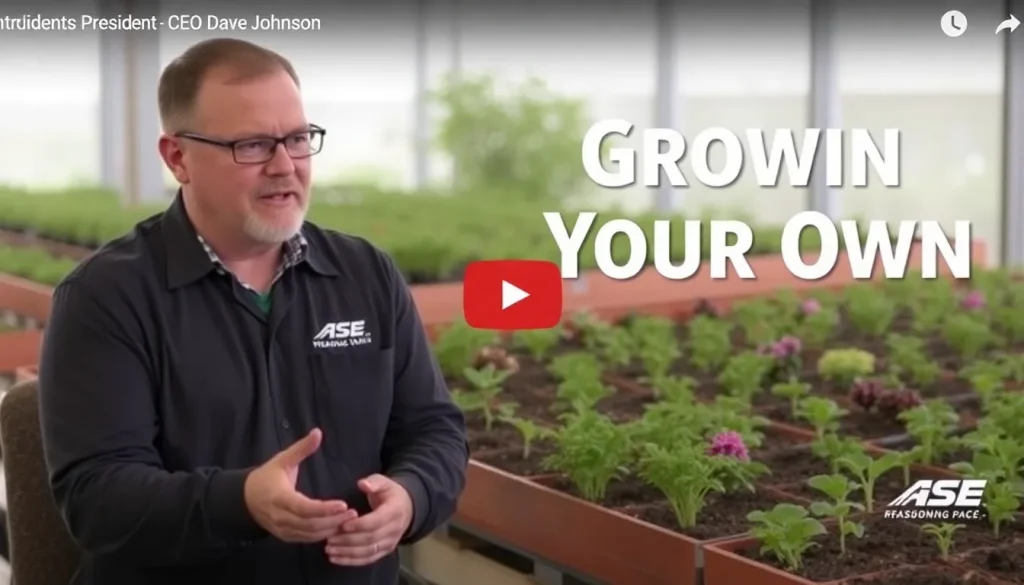
In the rapidly evolving landscape of the automotive industry, staying ahead of the curve is paramount. An insightful discussion with industry leader Dave Johnson, the president and CEO of the ASE, sheds light on current trends and the challenges facing automotive technicians today. As the vehicle systems continue to advance, so do the certification programs designed to ensure that technicians are equipped with the necessary skills to succeed.
This article delves into the critical updates regarding ASE's certification programs, particularly in relation to electric vehicles (EVs) and Advanced Driver-Assistance Systems (ADAS). Understanding these changes is essential for both shop owners and technicians who aim to thrive in this competitive market.
- Certification Program Updates: Adapting to Industry Needs
- Understanding the ADAS L4 Certification
- The Intersection of Collision and Mechanical Repair
- Addressing the Technician Shortage
- Investing in Education: The Foundation for Future Success
- The Importance of ASE Certifications for Business Growth
- Collaborating with Industry Partners
Certification Program Updates: Adapting to Industry Needs
ASE is undergoing a significant transformation in its certification programs to align better with the latest industry trends. These changes are particularly important given the rapid advancement of technologies such as electric vehicles and ADAS.
- Electric Vehicles: The rise of EVs necessitates new skill sets for technicians, including knowledge of high-voltage systems and battery management.
- ADAS Technology: As vehicles become increasingly equipped with safety and assistance features, technicians need rigorous training to handle diagnostics and repairs effectively.
- Continuous Learning: ASE emphasizes the importance of ongoing education to ensure that technicians remain knowledgeable about the latest technologies.
These updates not only help technicians stay relevant but also ensure that vehicles are maintained to the highest safety and performance standards. The evolving nature of automotive technology makes it imperative for certification programs to keep pace.
Understanding the ADAS L4 Certification
One of the significant advancements in ASE’s offerings is the ADAS L4 certification. This certification is comprehensive, covering all aspects of ADAS, from diagnostics to repair.
As Johnson elaborates, this certification addresses various systems, ensuring technicians are well-versed in the intricacies of ADAS technology. One critical area often overlooked is windshield replacement, a common repair that requires precise recalibration. If not performed correctly, it can compromise the vehicle's safety features.
The Intersection of Collision and Mechanical Repair
The integration of collision and mechanical repairs presents a new challenge for technicians. Johnson points out the "massive gray area" that arises due to the multitude of sensors embedded in modern vehicles.
- Sensors in the Body: The placement of sensors within the vehicle's body affects the overall operation and functionality.
- Cross-Disciplinary Skills: Technicians increasingly need to possess skills that span both collision and mechanical repair.
- Complex Diagnostics: Understanding how various systems interact is crucial for diagnosing issues effectively.
This convergence between collision and mechanical repair necessitates a more integrated approach to training and certification, ensuring technicians are prepared for the complexities of modern vehicles.
Addressing the Technician Shortage
The ongoing technician shortage is a pressing issue within the automotive industry. Johnson emphasizes ASE’s proactive role in tackling this challenge through the ASE Education Foundation.
To mitigate the technician shortage, Johnson advocates for a dual approach:
- Support Current Staff: Fostering a positive workplace culture is essential for retaining skilled technicians.
- Developing Future Talent: Investing in education at the school level to cultivate a new generation of ASE-certified professionals.
This strategy recognizes that retaining existing talent is as important as attracting new talent. Building a supportive environment can lead to greater job satisfaction and reduce turnover rates.
Investing in Education: The Foundation for Future Success
Johnson acknowledges that while the idea of "growing your own" talent is vital, it can be challenging to implement. Many in the industry seek quick fixes, but sustainable growth requires long-term investment.
To effectively develop the next generation of automotive professionals, the ASE Education Foundation plays a crucial role. The foundation works towards:
- Partnerships with Educational Institutions: Collaborating with schools to enhance automotive programs and curricula.
- Awareness Campaigns: Encouraging consumers, shop owners, and technicians to recognize the value of ASE certification.
- Creating a Talent Pipeline: Ensuring a steady flow of qualified technicians into the workforce.
Ultimately, the goal is to create a robust ecosystem that benefits all stakeholders in the automotive industry.
The Importance of ASE Certifications for Business Growth
Johnson emphasizes that ASE certifications are not just badges of honor; they are vital for the growth of automotive businesses. Certified technicians enhance a shop’s credibility and attract more customers.
- Quality Assurance: ASE certifications ensure that technicians are knowledgeable and skilled, leading to higher quality repairs.
- Customer Trust: Consumers are more likely to choose shops with certified technicians, boosting business.
- Competitive Edge: Certification can differentiate a shop in a crowded market, attracting a loyal customer base.
The investment in ASE certification can lead to significant returns, both in customer satisfaction and overall business performance.
Collaborating with Industry Partners
ASE actively collaborates with various industry partners to align training standards with real-world shop needs. This collaboration ensures that certification programs remain relevant and effective.
Working with manufacturers, educators, and shop owners allows ASE to:
- Identify Industry Trends: Staying updated on emerging technologies and methodologies.
- Develop Relevant Training: Creating certification programs that are tailored to current market demands.
- Facilitate Knowledge Sharing: Encouraging cross-industry communication for shared growth and learning.
This cooperative approach not only benefits technicians but also elevates the entire automotive industry, ensuring that it can meet the challenges of the future.
For more detailed insights into Johnson's initiatives and the future direction of ASE, check out the engaging video below:
Episode Overview:
- Johnson’s professional journey leading to ASE after his tenure at Ford Motor Company (1:25).
- How ASE adapts its certification programs to technological advancements in vehicle systems (4:53).
- The role of ASE in addressing the technician shortage through educational initiatives (9:03).
- How ASE certifications can enhance a shop's business and ensure quality repairs (15:18).
- Collaboration with industry partners to align training standards with real-world needs (23:14).
- Lightning round discussion featuring quick insights from Johnson (29:21).
Staying informed and proactive is essential in the automotive world, and ASE continues to play a pivotal role in shaping the future of automotive technicians.
 NTEA Updates Guide on State Mud Flap Requirements
 Cleo AI EDI Managed Services Introduces New Error Categorization
 Small Fleets Experience Early Peak Season and Power Shift
 Element Fleet Management and Motus Partner for Mobility Solutions
If you want to know other articles similar to ASE President and CEO Dave Johnson discusses Growing Your Own you can visit the category BLOG.
Leave a Reply
RELATED POSTS