
Officers place one-third of inspected trucks out of service in Collingwood Ontario
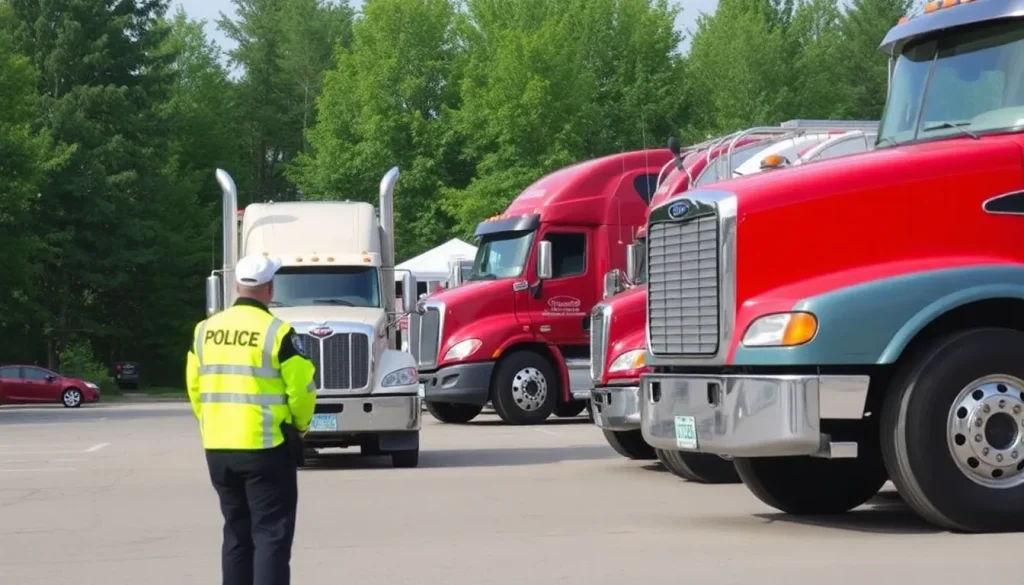
In recent times, the safety of commercial motor vehicles has come under increased scrutiny. A recent enforcement initiative in Collingwood, Ontario, highlights the ongoing efforts of law enforcement to ensure that trucks on the road meet safety standards. This particular initiative serves as a reminder of the importance of vehicle inspections and compliance with transportation regulations.
On September 10, officials placed a significant number of inspected trucks out of service (OOS) during a focused enforcement operation. This initiative not only underscores the potential risks associated with commercial vehicles but also emphasizes the collaborative efforts of various agencies to enhance roadway safety.
Details of the Collingwood enforcement initiative
During the operation, a total of 33 commercial motor vehicles were inspected. Out of these, an alarming one-third, or 11 vehicles, were deemed unfit for the road and subsequently placed OOS. This statistic illustrates the critical need for regular inspections and adherence to safety regulations within the trucking industry.
In addition to vehicle inspections, officers conducted 33 mandatory alcohol screening checks. These checks are a vital part of ensuring that drivers are fit to operate commercial vehicles, given the potential dangers posed by impaired driving. The result of this screening was one warn-range suspension, indicating that even a single incident can have serious implications for road safety.
The collaborative effort behind the initiative
The operation was a collaborative effort involving several law enforcement agencies:
- Members of the Collingwood and Blue Mountains detachment of the Ontario Provincial Police (OPP)
- Assistance from Huronia West OPP
- Support from the OPP Central Region Traffic Incident Management and Enforcement team
- Collaboration with the Ministry of Transportation
This teamwork is essential for effective enforcement and reflects the commitment of various agencies to work together in maintaining safety standards on the roads. Such partnerships enhance the capabilities of law enforcement to address safety concerns in a comprehensive manner.
Charges and violations recorded
As a result of the inspections, a total of 11 charges were laid under the Highway Traffic Act. The violations included:
- Improper braking systems
- Improper licensing
- Overweight violations
- Document-related offences
These charges highlight the various ways in which operators may fall short of compliance, putting both themselves and others at risk. Addressing these issues is crucial for the safety of all road users, not just those operating commercial vehicles.
The importance of vehicle inspections
Vehicle inspections play a pivotal role in ensuring that commercial trucks are roadworthy. Regular inspections can help identify potential issues before they lead to accidents. Some key benefits of vehicle inspections include:
- Enhancing safety: Inspections help to ensure that all safety features, such as brakes and lights, are functioning properly.
- Improving compliance: Regular inspections can help operators stay compliant with local and national regulations.
- Reducing accidents: By addressing mechanical issues, the likelihood of breakdowns or accidents caused by faulty equipment is significantly reduced.
- Lowering costs: Early detection of issues can prevent costly repairs and reduce downtime.
Impact on the trucking industry
The implications of such enforcement initiatives extend beyond immediate safety concerns. They also serve as a wake-up call for operators and companies within the trucking industry. A few key impacts include:
- Increased scrutiny: Operators may face heightened scrutiny from law enforcement, leading to more frequent inspections.
- Reputation management: Companies that consistently ensure their vehicles are in compliance can build a strong reputation for safety.
- Financial consequences: Fines and penalties associated with violations can significantly impact a company’s bottom line.
- Training and education: Increased emphasis on compliance may lead companies to invest more in training for drivers and maintenance personnel.
Given these factors, it is essential for trucking companies to prioritize compliance and safety practices as an integral part of their operations.
Resources for trucking operators
For trucking operators seeking to enhance safety and compliance, numerous resources are available to assist in maintaining standards. Some valuable resources include:
- Government websites: These often provide information on regulations, safety standards, and best practices.
- Industry organizations: Groups such as the American Trucking Associations (ATA) offer training and support.
- Safety seminars: Local and national seminars can provide training on compliance and safety awareness.
- Maintenance guides: Many manufacturers provide guides on proper maintenance to ensure vehicle safety.
By leveraging these resources, operators can better position themselves to meet compliance requirements and enhance overall safety on the roads.
For those interested in understanding more about the enforcement of vehicle regulations, you may find it insightful to watch this video that delves into the recent license suspensions affecting truck drivers in Ontario:
In conclusion, the enforcement initiative in Collingwood serves as a crucial reminder of the importance of vehicle safety and compliance within the trucking industry. By prioritizing inspections and adhering to regulations, operators can contribute to safer roads for everyone.
 Manitoba campaign raises awareness of human trafficking in trucking
 MTO suspends truckers' licenses due to fraudulent testing and training
 Truck Service Trends Q1 2025 Brakes Surge Power Plants Rise
 JB Poindexter EAVX Enhances Fleet Customization with Engineering Focus
If you want to know other articles similar to Officers place one-third of inspected trucks out of service in Collingwood Ontario you can visit the category DTC TRUCKS.
Leave a Reply
RELATED POSTS