
OTA calls for stricter truck enforcement against U.S. tariffs
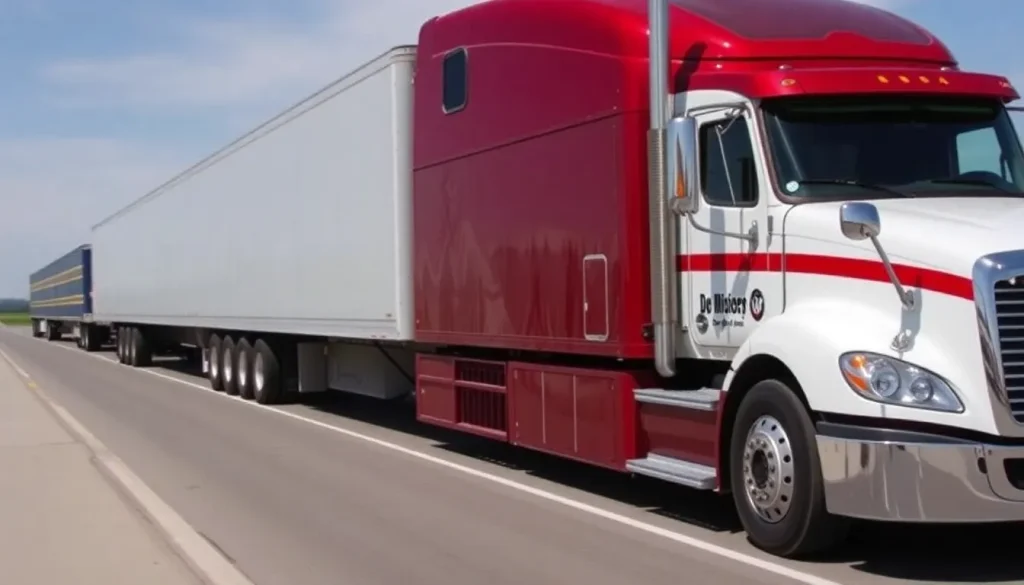
The Ontario Trucking Association (OTA) is sounding the alarm over the rising tide of U.S. tariffs and their impacts on the trucking industry. As trade tensions escalate, the OTA is advocating for enhanced truck enforcement measures to ensure compliance and bolster the sector's integrity amidst growing economic pressures. This call to action comes at a critical juncture for the industry, highlighting the urgent need for stricter regulatory oversight.
- Impact of U.S. tariffs on the Canadian trucking industry
- Operation Deterrence: A proactive approach
- Calls for enhanced enforcement measures
- The underground economy and its effects
- Strategic recommendations for improvement
- Understanding the role of government in enforcement
- Effects on employment and the future of the trucking industry
Impact of U.S. tariffs on the Canadian trucking industry
Recently, U.S. President Donald Trump announced an increase in tariffs on non-CUSMA-covered goods, raising them to a staggering 35%. This decision was accompanied by concerns over border security issues, including drug trafficking and immigration, which have further complicated trade relations between Canada and the United States.
The OTA's chairman, Mark Bylsma, expressed deep concern regarding these developments, stating that the association has been proactive in addressing Washington’s security apprehensions. Through initiatives like Operation Deterrence, the OTA aims to reinforce the presence of enforcement officials at border crossings, a necessary step given the current economic climate.
Operation Deterrence: A proactive approach
Operation Deterrence has proven to be a significant effort in ensuring compliance among truck operators. In the first quarter alone, over 48,400 inspections were conducted, revealing approximately 22,500 non-compliance issues. This translates to a concerning rate of 46 issues per 100 inspections for Ontario-plated carriers, with even higher rates for out-of-province and international carriers.
Among the violations noted, 4,254 were categorized as out-of-service defects. The leading causes of these violations included:
- Cargo securement violations
- Damaged air brake supply lines
- Inoperative brake lights
- Flat or leaking tires
- Inoperative rear turn signals
These statistics underscore the pressing need for regulatory agencies to step up their enforcement measures and ensure that all trucks operating across borders meet safety and compliance standards.
Calls for enhanced enforcement measures
The OTA is not only advocating for increased inspections but also for more robust staffing at truck inspection stations across key locations. The association is pushing for these stations to be manned 24/7 to better monitor compliance and address emerging issues.
Moreover, OTA representatives have engaged in discussions with U.S. officials regarding labor conditions for Ontario-based truck drivers seeking U.S. visas. Alarmingly, many of these drivers report earning only one-third of typical industry wages, raising concerns about potential exploitation and labor law violations.
The underground economy and its effects
Geoff Wood, the OTA’s senior vice-president of policy, emphasized the need for action against the underground economy, which he claims has infiltrated the trucking industry. He cited the lack of enforcement as a significant factor that has compromised the ability of compliant carriers to operate effectively. The recent escalation in tariffs is intricately linked to these underlying issues and should serve as a catalyst for government action.
Wood stated, “Our industry has become overrun in the last decade by non-compliant activity and a lack of enforcement. This latest tariff escalation is a wake-up call for governments to reinforce their efforts to clean up our sector on all fronts.” The implications are far-reaching, affecting not only the trucking industry but also the broader economic landscape.
Strategic recommendations for improvement
The OTA has outlined several strategic recommendations to address the challenges posed by tariffs and non-compliance:
- Increased funding for enforcement agencies to bolster inspection efforts.
- Collaboration with labor organizations to ensure fair wages and working conditions.
- Implementation of technology-driven monitoring systems to enhance compliance tracking.
- Regular training for enforcement personnel on the latest regulations and standards.
- Partnerships with U.S. authorities to align regulations and improve cross-border operations.
Implementing these measures could significantly improve the situation, fostering a more compliant trucking environment while alleviating some of the pressures caused by trade disputes.
Understanding the role of government in enforcement
The enforcement of tariffs in the U.S. is primarily managed by the Customs and Border Protection (CBP) agency, which works closely with various other government entities. These agencies are tasked with ensuring compliance with trade laws and regulations, which have a direct impact on industries like trucking.
Canadian officials also play a crucial role in monitoring compliance among domestic carriers. The OTA's calls for 24/7 staffing at inspection stations reflect a recognition that continuous oversight is essential to maintaining standards and protecting both U.S. and Canadian interests.
Effects on employment and the future of the trucking industry
The ongoing trade tensions and tariff increases could have significant implications for employment within the trucking sector. As companies face increased costs due to tariffs, they may be forced to make difficult decisions regarding staffing and operations.
The OTA warns that without decisive action to address these challenges, the trucking industry may face a crisis that could lead to layoffs and reduced operational capacity. The association emphasizes the need for collaboration between government, industry stakeholders, and enforcement agencies to navigate these turbulent waters effectively.
For a deeper insight into the challenges and frustrations experienced by truckers due to tariff confusion, check out this informative video:
The Ontario Trucking Association stands at the forefront of advocating for necessary changes that can help mitigate the impact of tariffs on the industry while ensuring fair practices among all operators. As the situation evolves, continued vigilance and proactive measures will be essential to securing the future of trucking in Canada.
 Mercedes-Benz Trucks and Buses trained Tucumán service workshops
 Mercedes-Benz eActros 600 Enhances Power Shift at Wessels Logistik
 Enhancing Safety and Engagement in Fleet Operations Through Recognition
 DTNA Addresses EPA Proposal to Repeal GHG3 Standards
If you want to know other articles similar to OTA calls for stricter truck enforcement against U.S. tariffs you can visit the category DTC TRUCKS.
Leave a Reply
RELATED POSTS