
Understanding Truck Seat Adjustment Technology
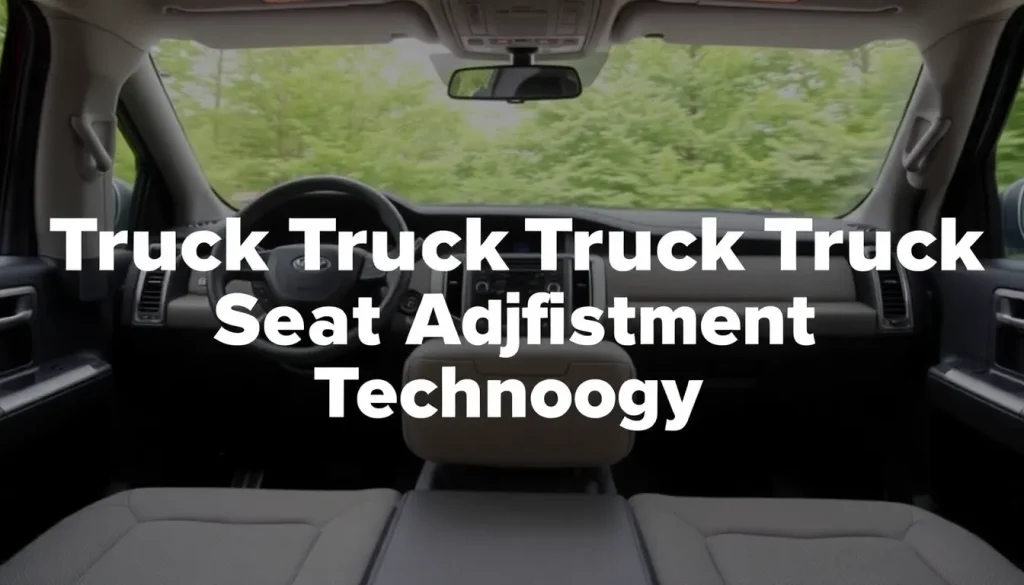
In today's fast-paced world, driver comfort and safety are becoming increasingly crucial, particularly in the trucking industry. The technology behind truck seat adjustment systems plays a vital role in providing drivers with the necessary support for long hours on the road. These systems are designed not only for comfort and ease but also to enhance visibility and reduce fatigue. Let’s delve deeper into the mechanics and innovations that define modern truck seating technology.
Core technologies of truck seat adjustment systems
The backbone of truck seat technology lies in electric motorized adjustments. These small yet powerful motors enable chairs to move in various directions, allowing drivers to customize their seating position for optimal comfort. Common adjustments include height modifications to enhance visibility, as well as forward and backward movements to provide more legroom. For many fleet operators, features like tilting and reclining seats are essential for better back support.
One of the critical aspects of modern truck seats is lumbar support. Most manufacturers integrate inflatable air bladders for this purpose, allowing drivers to customize the firmness of the seat according to their preferences. Drivers typically utilize hand pumps, buttons, or switches to inflate or deflate this system, adjusting the support as needed. This is particularly important given that a significant percentage of truck drivers experience musculoskeletal disorders, with lower back pain being the most common complaint.
Beyond electric motors and air suspensions, seat adjustment systems also incorporate springs to counterbalance the driver and seat weights effectively. The springs provide a repeatable end force, facilitating accurate and consistent motion for precise seat positioning. This control over force is vital in optimizing driver comfort and minimizing fatigue, especially during long hauls.
Recent advancements in truck seat adjustment systems
In recent years, the design and functionality of truck seat adjustment systems have undergone significant enhancements. New innovations include features like adjustable bolsters and elongated cushions aimed at increasing driver comfort. The future looks promising for these technologies, with advancements predicted to be even more profound in the coming years.
Recent developments in fleet technologies have utilized artificial intelligence (AI) to create even smarter seating solutions. Researchers have developed seats equipped with pressure sensors that transmit data to a central control system. This system utilizes signals to adjust the seat automatically, employing a worm gear mechanism to ensure optimal comfort. The integration of smart technology, such as electronic control and microcomputers, has revolutionized the way drivers interact with their seating systems.
For many truck drivers who operate the same vehicle daily, programmable memory settings are an invaluable addition. These settings allow drivers to save their preferred seat configurations, enabling them to adjust their seats with the push of a button. This feature significantly enhances efficiency, allowing drivers to focus on their routes instead of fiddling with seat adjustments before every trip.
Leading manufacturers are increasingly incorporating these advanced technologies into their truck designs. For instance, Volvo’s innovative VNL line includes controls that enable drivers to slide, recline, and swivel their seats for an optimal driving position. While factory-installed seats offer impressive improvements, many operators opt for aftermarket products with memory settings for heightened comfort. An example includes ISRINGHAUSEN’s NTS1 truck seats, which come with pneumatic height adjustments and various other customizable features.
Benefits of advanced seat adjustment technologies for truck drivers
The average truck driver spends nearly half their workday on the road, making seat adjustment technology critical for their overall well-being. As the driver demographic ages, these advancements become increasingly vital. The World Road Transport Organization reports that a significant proportion of truck drivers are aged 55 and older, emphasizing the need for ergonomic solutions.
Logistics companies must prioritize improving truck seat designs to enhance employee retention and satisfaction. Industry studies indicate that large carriers face turnover rates exceeding 90%, often attributed to difficult working conditions and inadequate compensation. Enhanced seat adjustment technologies can significantly contribute to driver comfort, reducing the likelihood of back pain and promoting a healthier work environment.
Though the initial investment in advanced seat adjustment technology can be substantial, fleet owners should view these costs as long-term investments. The tangible benefits of providing a more comfortable workspace can lead to improved job satisfaction, reduced turnover, and heightened productivity.
Increasing driver comfort in modern fleets
As truck seat adjustment systems continue to evolve, they play an increasingly critical role in enhancing driver comfort and productivity. Manufacturers have made substantial improvements to these essential fleet components, utilizing compact electric motors and innovative air suspension systems. Drivers are encouraged to assess their lumbar support needs when determining their ideal seating position.
Ongoing research and development efforts are pushing the boundaries of what truck seat adjustment systems can offer. From AI-powered pressure sensors to programmable memory settings, these advancements aid drivers in their daily routines. Fleet owners and operators looking to implement these cutting-edge technologies have the option of acquiring both OEM and aftermarket solutions that cater to their specific needs.
With the integration of features like adjustable bolsters, lumbar support, and user-friendly controls, the future of truck seating technology is undoubtedly bright. As the industry continues to adapt and innovate, drivers can expect even greater levels of comfort and support in their cabs.
For further insights into how these technologies work, check out this informative video:
 MicroVision plans lidar rollout for trucks by 2029
 Coke Canada Bottling invests $1.2 million in electric fleet expansion
 Nova Scotia's plan to end 80/20 deal faces trucker backlash
 ZM Trucks launches electric trucks in North America and opens factory
If you want to know other articles similar to Understanding Truck Seat Adjustment Technology you can visit the category DTC TRUCKS.
Leave a Reply
RELATED POSTS